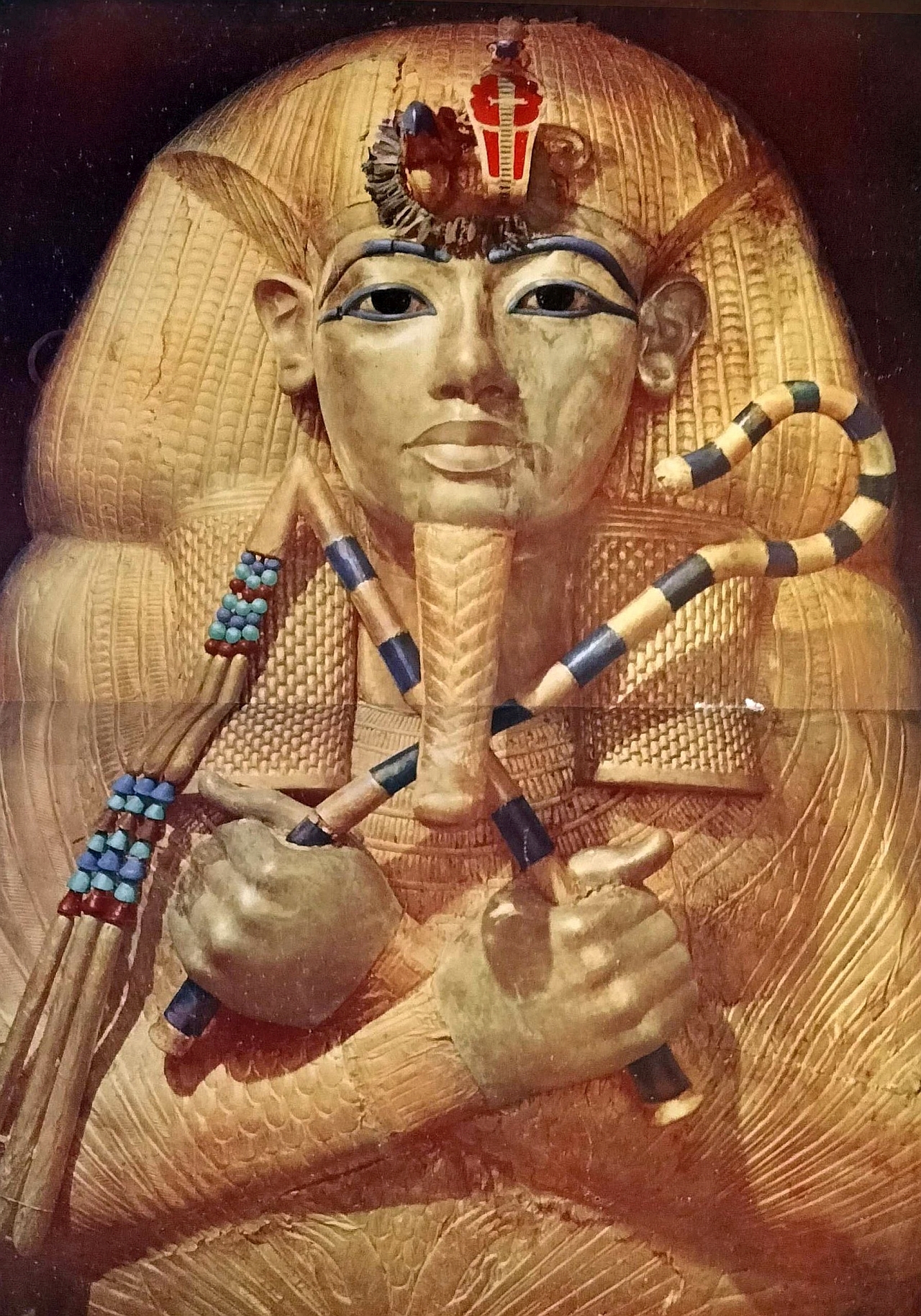
Tut gold mask 1922

The Illustrated London News
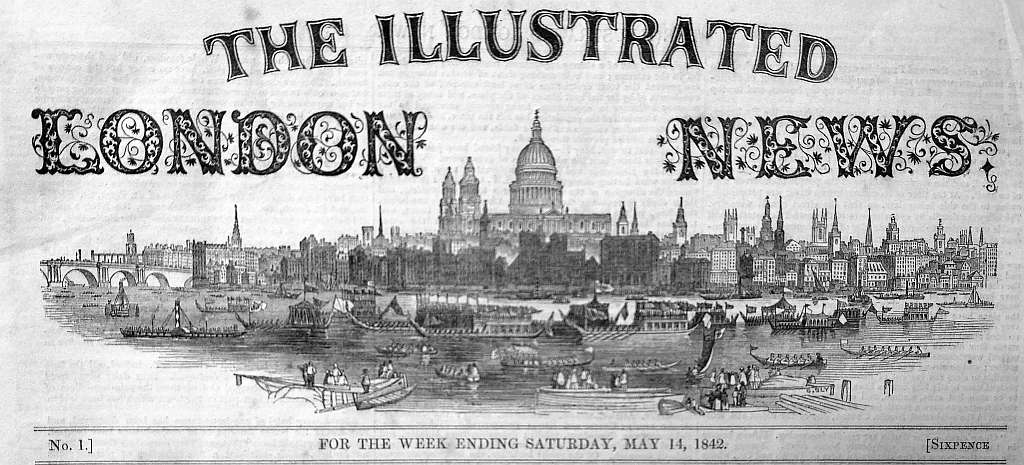
ILN Masthead no 1

Tutankhamen 1922 - 1933

The discovery and exploration of Tutankhamen's tomb in 1922 by Howard Carter captivated the world.
The Illustrated London News played a pivotal role in reporting the findings over the next decade.
Uncovering treasures unseen for thousands of years, the tomb provided unprecedented insights into ancient Egyptian royalty.
The newspaper's extensive coverage included detailed articles, interviews, and illustrations, bringing the excavation to life for readers.
The ongoing reporting by the Illustrated London News fuelled public fascination, sparking a renewed interest in ancient Egypt and leaving a lasting impact on archaeology.


Most of the Photographs and illustrations in this presentation are in Black and White
but there are 30 colour photographs in this presentation.


The original colour photographs of Tutankhamun's (Tutankhamen's) tomb and its treasures were taken by Harry Burton
during the 1922 archaeological expedition led by British archaeologist Howard Carter.
The process of capturing colour photographs (autochrome) during that time was quite complex and required specialized equipment and techniques.


1. Autochrome plates: The colour photographs of Tutankhamun's tomb were taken by Harry Burton
Autochrome was one of the early methods of colour photography, invented by the Lumière brothers in 1903.
It involved using glass plates coated with microscopic grains of potato starch dyed in red, green, and blue colours.
These dyed grains acted as colour filters.

2. Long exposure times: The autochrome plates had a slow speed, meaning they required long exposure times.
This made photographing the dark interior of the tomb challenging, as the available light was limited.
Artificial light sources were used to illuminate the tomb's treasures, but it was still a time-consuming process.

3. Careful composition and lighting: Since colour photography was in its early stages,
photographers had to carefully compose their shots and consider the lighting conditions to achieve the best results.
They had to ensure that the colours of the artifacts appeared as accurate as possible.

4. Delicate handling and transportation: The fragile autochrome plates had to be handled carefully to avoid damage,
especially during transportation from the excavation site to the processing laboratory.

5. Developing and processing: After capturing the photographs, the autochrome plates were developed and processed in a laboratory.
This involved removing unexposed grains and dye fragments to reveal the final colour image.

6. Limited colour range: It's essential to note that the autochrome process had limitations regarding colour accuracy and range.
The colour palette was not as extensive as modern-day colour photography,
and the resulting images might not have been as vibrant and accurate as the actual artifacts.

Despite the challenges and limitations of the autochrome process, the photographs taken by Harry Burton
provided invaluable documentation of Tutankhamun's tomb and its treasures.
They offered a glimpse into the stunning riches of the ancient Egyptian pharaoh
and remain essential historical records for researchers and enthusiasts today.

Autochromes and the dawn of colour Photography


Below are the links to the dates of pages of articles and images (starting at December 9th 1922)
about the Tutankhamen discoveries.

Start at Dec 9th and just scroll through the page to the bottom with a link to the next page

or
Use your Browser to search the table for key words and click to link to the relevant page
each page may have several images which are numbered. All images are B&W unless colour is stated


1922

Dec 9th

Introduction 1.Lord Carnavon

December 16th

2. Cover 3. What the find may bring. 4.Tomb opening celebrations 5. King Fuad of Egypt 6. The dicoverers on the spot 7. The tomb entrance

December 23rd

8. Statues in Cairo Musem 9. Drawings of Tut Treasures

December 30th

10. Art and objects that maybe found 11. X rays showing how a mummy maybe examined

       
1923

January 6th

12. The tomb interior sketched on the spot 13. The tomb interior sketched 14. The tomb interior sketched 15. The tomb interior sketched 16. The tomb interior sketched 17. Photo of the first steps to the great "Find"

January 20th

23. Retrieving Tuts treasures 1and a half miles of wadding

January 27th

24. An artist impression of a Pharaohs funeral

         
1923

February 10th

32. Cover A pharaoh's chariot 33.Notice from ILN about subscription to not miss out on Tutankhamen 34. Comparing Chariots to those of Tutankhamen 35. An artists impression of a Pharaoh in battle

February 17th

36.Cover -The Final resting place of Tutankhamen 37.The mummy of Amenhotep II leave in the tomb? 38.Cairo museum Hall of Royal Mummies 39. Removing Tuts furniture from the tomb

February 24th

40.Cover -Egypt Number 41. Wooden "Dummy" of Tut 42.First unrifled tomb of a Pharaoh -Tuts sepulchre 43.& 44.Treasures - Furniture couch sandals bouquets 45.Luxor by Donkey for tourists Sedan chair to the tomb

         
1923
         
1923
         
         
1923
         
1923
         
1923
         
1923
 

November 10th

64. Cover ad Tutankhamen's coronation chair throne 65.In COLOUR Tutankhamen's treasures

November17th

66.Clues in the book, that Carter and Mace wrote, as to how the treasures came to be found 67. Howard Carter as an Artist in COLOUR


1923
 

December 15th

68. Gold outer canopy from the ante room in COLOUR


December 29th

69.A gold chariot panel 70. A Gold and Ivory head a household god Bes 71.The Guardian goddesses shrine

         
1924
 

January 12th

72.ILN publicises cole colour rights 73. Chariot head of BES in colour 74. One of Tuts chariots 75. A Pharaoh's royal barges-models 76. Panels of his gold chariot in COLOUR 77. Detail of panel of gold chariot in COLOUR 78.Found a magnificent intact sarcophagus 79. Tutankhamen's gold shrine in it's painted sepulchre

January 19th

80. Harness of a Pharoh's horses, trappings of a chariot

January 26th

81. Spellbound the glimpse of the sarcophagus 82.What they saw The actual sarcophagus of Tutankhamen 83. 2 pages Resplendent in blue and gold Tuts chariot and harness in COLOUR 84.Like the ark of the covenant.The Pall of Tutankhamen's shrin 85. Almost blinding the gold doors of Tutankhamen's shrines

1924
 

February 2nd

86. Negligent work on the shrine 3200 years ago & 9th 87. A golden lion in COLOUR with eyes and nose of Lapis Lazuli 88.

February 23rd

Gold shrines in COLOUR 89. and 90.Pictorial astronomy. Stars of the heavens seen in the tomb of Ceti I thrd


1924
 

March 8th

The new controller of the tomb

March 22nd

91. Cover : Tutankhamen's Hathor couch in COLOUR 92. The cows head with solar disc between the horns with blue trefoil spots on Gold


1924
   

April 26th

93. The first photograph of Tutankhamen's shrouded coffin


1925
     

June 27th

94. Cover: The wonders of Egypt. special supplement of new treasures 95.A beautiful cosmetic jar still containing ointment which is still plastic after 3300 years 96. A tiny wreath with a cobra and vulture on the coffin 97. Tutankhamen's Gold stick in waiting 98. A sacred Goose, Lamps and a wine jar 99. Tutankhamen's palace lamp of carved calcite in COLOUR 100. Tutankhamen's Gold coffin in COLOUR 101. Tuts coffin and sarcophagus 102. A rare carved alabaster perfume jar with gold and ivory 103. The same vase viewed from the back 104. Tut relics, an ostrich fan, trumpet and emblems of Anubis

         
1925    

September 19th

105. Tutankhamen's walking sticks


1926

February 6th

106. Cover:The great gold coffin 107. The great gold mask of Tutankhamen 108. The series of Gold coffins 109. Carter removing dust from The great golden coffins 110. A triple nest of Tutankhamen's coffins using block and tackle to seperate them 111.Solid gold innermost coffin with Tutankhamen in the form of Osiris with crook and flail 112. the third coffin of solid gold the uncovering 113. The unwrapping of the mummy

February 13th

114.The gold portrait mask of the Boy King in COLOUR


1926

July 3rd

115. Cover:The actual mummy and the Royal Diadem 116. The mummiified head of the young Pharaoh 117. Tutankhamen's perume box 118. A pharaoh's jewellry found on the mummy 119 The magnet that is drawing many thousands to Egypt The mask of solid gold 120. A unique Royal diadem 121. The diadem in COLOUR

July 17th

122. The coffin of solid gold in COLOUR


1927

January 1st

123. Tutankhamen's likeness to Queen Teie his gold portrait mask in COLOUR


January 22nd

124.Cover Unpublished photographs of the treasures of Tutankhamen's storehouse 125. The Madonna Isis from the Canopic shrine 126. The goddess guarded Canopic shrine where the jars holding the Kings viscera are 127. The model ships for Tutankhamen's death voyage 128. A wooden Gesso-Gilt statuette of the young king 129. An Ostrich fan 3000 yers old and Tutankhamen's insignia


1927
   

February 26th

130. Cover: Tutankhamen's marvellous beautiful jewels 131. Jewels and amulets on the mummy and ritual of book of the dead 132. Book of the dead ritual drawings of Tutankhamen 133.Rings and Bracelets etc.134. Gems on the mummy in COLOUR a gold pectoral Ba bird and the collar of nekhebet 135. Masterpieces of the XVIIIth dynasty jewellers in COLOUR 136.More pectoral jewellery from the mummy


1927
 

March 12th

137.Tutankhamen's feet with gold toe sheaths on Tomb fabrics and his skull cap


1927
   

April 23rd

138. Cover: Secrets of the storeroom in colour and monochrome139.Exquisitely carved statuettes Goddess of Sekhmet the Osiride King the God Ptah of Memphis 140. Tutankhamen's honorific orders Symbols of the Sun and Moon 141. A magnificent collar with the Scarab beetle Khepere 142. Chests of statuettes containing over 30 figures 143. Ostrich feathers over 3000 years old in COLOUR 144. A gold statuette of Tutankhamen on the back of a black leopard in COLOUR 145.The cow goddess Meh-Urit with Gold head and black neck in COLOUR


1927
 

July 16th

146. Cover: Secrets of the innermost recess of Tutankhamen's tomb 147 Treasured slippers and leather sandals modern size 7 148. Paints brushes and writing materials 149. Mirror cases and casket 150. Suggesting a modern stole Tutankhamen's "scarf" in COLOUR 151. Earrings a duck headed falcon and residual resin 152. Tutankhamen's modern wristbands and a 12 inch Pectoral in COLOURth


1928

February 4th

153. Cover: A veiled mystery revealed. the latest secrets of the Canopic shrine.154. Tutankhamen's tomb Canopic Shrine covered in its original linen Pall for over 3000 years 155.The magnificent Gesso - Gilt canopic shrine showing 2 of the 4 goddesses. 156. The beautiful Canopic chest of Alabaster on the silver handled sledge 157. The canopic chest unlidded the portrait stoppers 158.Wonderful Miniature of Tutankhamen's gold coffin in each of the 4 canopic jars 159. The four pitiful goddesses and portrait heads 160. The canopic shrine sculptures of such beauty 161. The solid gold portrait mask of Tutankhamen


February 18th

162. Tutankhamen's funeral fleet in full colours 163. A flotilla of 18 craft 164.Light craft like Venetian Gondolas in COLOUR 165.A model flagship for the holy pilgrimage to and from Abydos in COLOUR


1928

October 6th

166. A symbol of resurrection a germinating figure of Osiris 167. A small Osiride statuette of Tutankhamen flanked by the Ba bird and "Ka" the Falcon 168.A funerary gift to the dead a presentation cenotaph th


October 20th

169.Tutankhamen's "gun case"with his bows and 170. Tutankhamen's Bow case 171. The quarry of the Sporting Pharaoh 172.The beautiful Bow Case showing details of the chase


1928
 

November 17th

173. One of Tutankhamen's deputies a Shawabti figure 174. Details of the exquisite Shawabti figure


1929

June 22nd

175. Tutanhamen's Canoptic chest unlidded showing four "stoppers" in the image of the young king in COLOUR


1929

July 6th

176. New treasures from the tomb 1st Series hat box, head rests, shirt boxes etc 177 A Looted annexe of the tomb 178. Tutankhamen's alabaster boat steered by a female dwarf 179. Perhaps a funeral barque for the celestial journey of the "Good God" 180. Head rests , shirt box and Linen chests 181. Details of the exquisite head rests 182.Tutankhamen's "Shirt Box" a casket of ebony and cedar


July 20th

183.New treasures from the tomb 2nd Serie, the Boy's Lighter Play box and Nursery chair 184. Tutankhamen's Fire maker "Lighter" Play Box finds 185. A "Queen Anne" silver vase, Cubit measure Olay Box 186. Tutankhamen's Hassock and unique" Bound Lions" Foot Stool 187.Tutankhamen's Gold Bed with it's original string webbing 188. A High backed Nursery Chair and animal footed stool


1929

August 3rd

189. A holder of costly unguent for Tutankhamen A "Lion Gardant" vase 190. New treasures from the tomb 3rd Series Wine Jars, Dalmatics Unguent jars etc finger prints of a tomb thief 191. "Chateau" wine jars 192. A "Bleating" Ibex vase and a " Gala" Robe 193. Tutankhamen's "Dalmatic" vestment 194.Details of his Dalmatic robe 195. Wine jars Glove and sandals


1929  

October 5th

196. New treasures from the tomb 4th Series gaming boards Ostrich feathers, fans and sceptre 197.Tutankhamen's "Chessboard" and Dice 198. Ostrich feather fans 199. Ostrich feather fans in situ

October 12th

200. New treasures from the tomb 5th Series Weapons 201.Tutankhamen's boomerangs 202. Tutankhamen as a warrior King 203. Weapons offence Arrows, Clubs and Falchions of bronze 204. The Kings single sticks 205. Tutankhanmen's weapons of defence Shields ceremonial and real 206. An advert for Tutankhamen collectors cards


1931
 

May 23rd

208. New treasures from the tomb 209.Tutankhamen's ecclesiastical throne 210. Mystery figurines in the tomb 211. Tutankhamen's treasures of animal hides 213. 214 and 215all adverts for collector cards


1933

January 7th

216. Advert cover from 1932 for 1933. 217.Tutankhamen shrines revealed 218. A Phase of the sun 219. The first shrine 220. The shrines together 221. The inner 2 of the shrines of a 4 fold nest 222. An appreciation of VOL 3 of Carters book and other Books


Here's a fun quiz with 20 questions about Tutankhamun's tomb and the treasures discovered within it, along with their answers (below):
I have spelt Tutankhamun with the modern spelling as against Tutankhamen
Questions:

  1. Who was the archaeologist that discovered Tutankhamun's tomb?
  2. In what year was Tutankhamun's tomb discovered?
  3. What is the common name for Tutankhamun's tomb?
  4. What is the approximate age at which Tutankhamun died?
  5. What is the nickname given to Tutankhamun due to his young age and relative obscurity?
  6. Who is believed to be Tutankhamun's father?
  7. What is the significance of Tutankhamun's tomb being relatively small compared to other royal tombs in the Valley of the Kings?
  8. What did Howard Carter reportedly say when asked if he could see anything upon first entering the tomb?
  9. What was the outermost of the three coffins found within Tutankhamun's burial chamber made of?
  10. Which famous artifact from Tutankhamun's tomb is a funerary mask that covered the head and shoulders of his mummy?
  11. What precious stone was used for the eyes of Tutankhamun's Death Mask?
  12. Which ancient Egyptian god's image was associated with the protective cobra on Tutankhamun's forehead?
  13. Besides the burial chamber, what other chambers were found within Tutankhamun's tomb?
  14. What was the purpose of the Treasury chamber in Tutankhamun's tomb?
  15. Which item found in Tutankhamun's tomb is a game that represents the journey of the deceased through the underworld?
  16. What is the significance of the canopic jars found in Tutankhamun's tomb?
  17. Which ancient Egyptian queen was likely Tutankhamun's mother?
  18. What evidence suggests that Tutankhamun had an injury that might have contributed to his death?
  19. What was the purpose of the shawabti (shabti) figurines found in Tutankhamun's tomb?
  20. What curse is associated with the discovery of Tutankhamun's tomb.?

ANSWERS BELOW


* Death of Lord Carnavon

NSPCC

This website is completely free to use—no charges, no subscriptions, no catch.
If you find it helpful or enjoyable, and if it’s within your means, please consider making a donation to the NSPCC to support their work protecting children.
Your generosity is entirely optional—your experience here will remain free no matter what.

You can also fundraise for the NSPCC and get a free pack of tips and materials.

Donate to the NSPCC


The Illustrated London News holds the distinction of being the world's first illustrated newspaper.

Its publication spanned an impressive 161 years, from 1842 to 2003.

Considered a remarkable visual representation and historical record of British and global events,
it offers insights into the early 21st century.

While my collection doesn't encompass every ILN edition, I possess over 7000 of them.

On my website, you'll find over 1,000 "long pages" featuring articles and images.

However, it's important to note that these pages represent only a small fraction of the vast content contained

within the quarter of a million pages across more than 7,000 issues, amounting to an astounding collection of over 1,500,000 images.

Discover other years of The illustrated London News

A glimpse into the content of
The Illustrated london News
by year in the 20th Century.

Answers:


  1. Answer: Howard Carter.
  2. Answer: 1922.
  3. Answer: KV62 (Tomb number 62 in the Valley of the Kings).
  4. Answer: Around 18 or 19 years old.
  5. Answer: "The Boy King."
  6. Answer: Akhenaten.
  7. Answer: It suggests that his death was unexpected and that his burial was rushed.
  8. Answer: "Yes, wonderful things!"
  9. Answer: Gold.
  10. Answer: Tutankhamun's Death Mask.
  11. Answer: Lapis Lazuli.
  12. Answer: Wadjet, the goddess of protection.
  13. Answer: Antechamber, Annex, and Treasury.
  14. Answer: It stored various valuable items and offerings for the afterlife.
  15. Answer: Senet board game.
  16. Answer: They held the organs of the deceased and were used in the mummification process.
  17. Answer The identity of King Tut's mother is still up for debate, but there are three primary suspects: Kiya, Queen Nefertiti, and a figure known as the “younger lady.” Kiya and Nefertiti
  18. Answer: A fracture in his skull. More modern thinking suggests infection from a fracture to his thigh bone before he died
  19. Answer: They were meant to serve the deceased in the afterlife and perform tasks for him.
  20. Answer: The "Curse of the Pharaohs," which is largely considered a myth with no scientific basis.

Hope you enjoy the journey

NSPCC

This website is completely free to use—no charges, no subscriptions, no catch.
If you find it helpful or enjoyable, and if it’s within your means, please consider making a donation to the NSPCC to support their work protecting children.
Your generosity is entirely optional—your experience here will remain free no matter what.

You can also fundraise for the NSPCC and get a free pack of tips and materials.

Donate to the NSPCC


Back to the Top